Who I Am
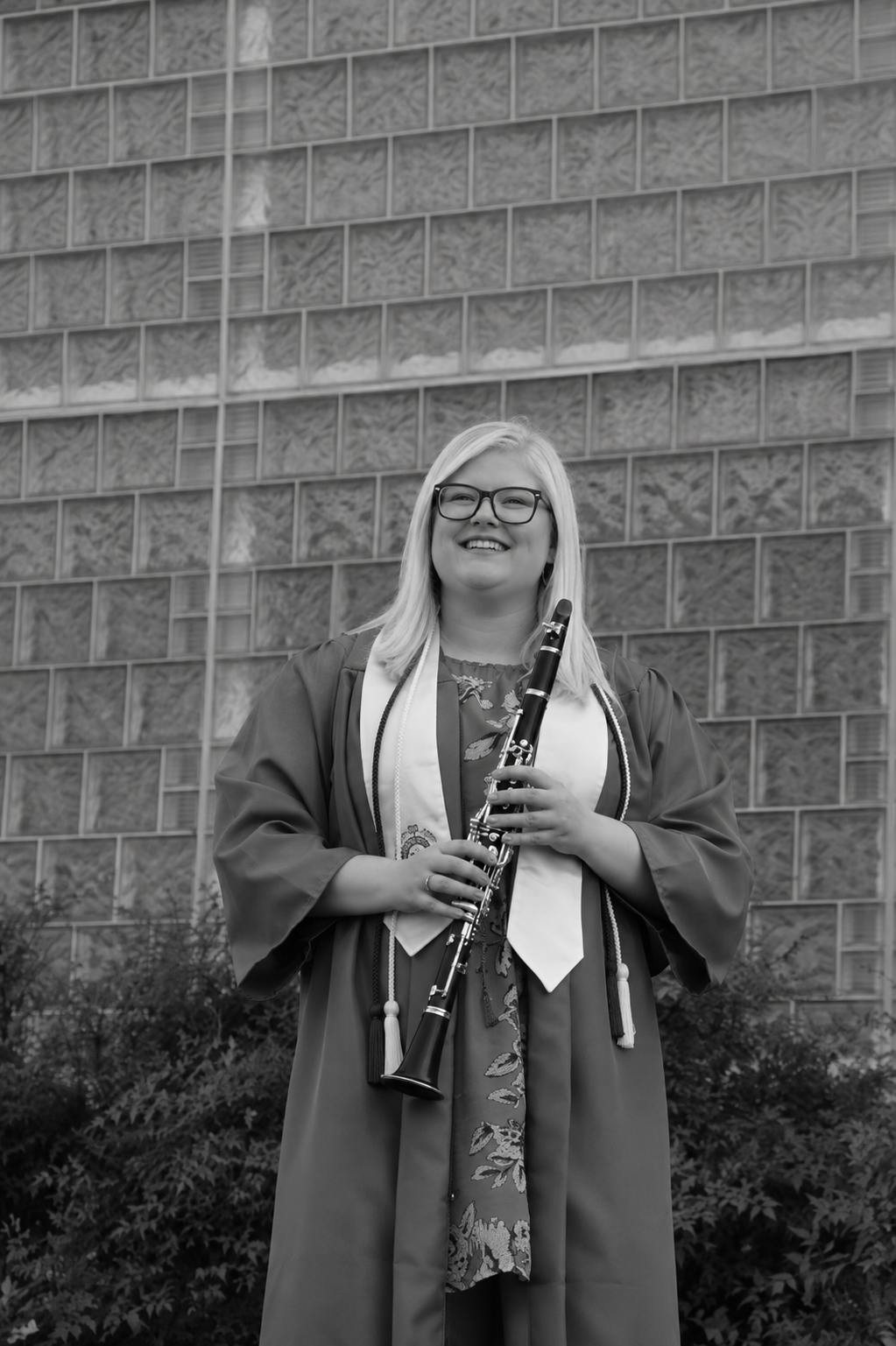
Hello!Based in the Dallas–Fort Worth area, I’m a former educator turned eLearning professional who loves thoughtful design, meaningful learning, and a good challenge.
My StoryBefore I designed eLearning experiences, I designed learning experiences in the band room.
For five years, I worked as a band director, where I learned how to take something complex, break it into manageable pieces, and help learners build confidence along the way. I also learned that there’s rarely one approach that works for everyone—an idea that continues to shape my learner-centered approach to instructional design.
Today, I work as an eLearning Support Specialist, supporting online courses for university nursing programs while continuing to grow as an instructional designer through graduate study and hands-on projects. I especially enjoy turning complex or overwhelming information into learning that feels clear, approachable, and useful.
I value collaboration, curiosity, and feedback and enjoy working with others to understand the why behind a problem and design solutions that support both learners and organizational goals.
Outside of work, baking is one of my favorite creative outlets. Like instructional design, it requires both creativity and precision. I enjoy experimenting with new ideas while making sure every choice serves a purpose. To me, learning shouldn’t just look good—it should help someone do something better.
When I’m not designing or baking, you can usually find me watching Chicago Bears football or spending time with my husband and our two cats, Minnie and Blu.
One of the biggest lessons I have learned throughout my instructional design coursework is that good design is not just about creating content. It is about helping learners improve their performance. Earlier in the program, I often focused on what information needed to be included or how the final product would look. Now, I find myself thinking more about what learners should actually be able to do after completing the instruction.
This shift has helped me understand the importance of identifying a performance need before deciding what content to create. I have especially seen the value of scenario-based learning because it gives learners an opportunity to practice making realistic decisions instead of simply reviewing information. Pappas (2026) explains that instructional design is increasingly focused on building skills and improving performance rather than just completing courses. Moving forward, I want to continue creating learning experiences that are not only engaging but also help learners apply what they have learned.
Reference
Pappas, C. (2026). Instructional design trends: What’s shaping the future of learning? eLearning Industry. https://elearningindustry.com/instructional-design-trends
Beyond the Content: Designing for Performance